5 Costly Visa Errors Australian Travellers Make Before Setting Foot in New Zealand
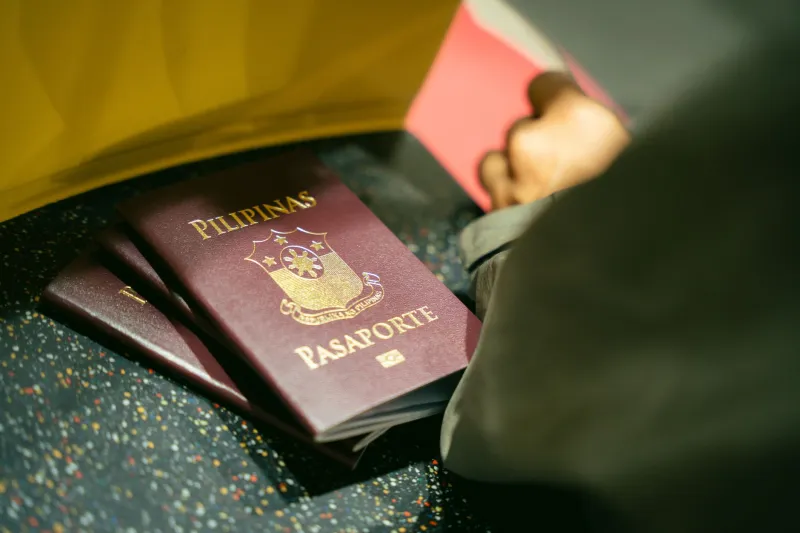
New Zealand is one of the most welcoming destinations in the world for Australian travellers. The Trans-Tasman Travel Arrangement makes entry straightforward, and the shared history between the two nations creates a sense of ease that can sometimes breed overconfidence. The truth is, immigration rules apply to Australians just as they do to any other nationality — and the consequences of non-compliance can be surprisingly severe.
Below, we outline five of the most common errors Australian visitors make, along with the real-world implications of each and practical steps to avoid or rectify them.
Mistake 1: Assuming the Visitor Visa Includes Unlimited Work Rights
The Error
Perhaps the most widespread misconception among Australian visitors is the belief that their automatic 12-month visitor visa entitles them to work in New Zealand. Given that Australians can live and work in Australia without restriction, many assume the same applies in reverse. It does not.
The Trans-Tasman Travel Arrangement grants Australians the right to visit New Zealand for up to 12 months — not the right to work. The visitor visa expressly prohibits employment, whether that employment is for a New Zealand business or a remote role with an Australian company.
The Consequences
Working without authorisation is a breach of visa conditions under the Immigration Act 2009. Penalties include deportation, a deportation liability order, and restrictions on future visa applications. Employers who knowingly hire unlawful workers also face significant fines, which means that even informal or casual work arrangements carry genuine risk.
How to Avoid It
If you intend to work in New Zealand — in any capacity — you must hold the appropriate visa before commencing employment. Options include the Accredited Employer Work Visa (for those with a qualifying job offer) or the Skilled Migrant Category Resident Visa for those pursuing permanent residency. Consult a licensed immigration adviser to identify the most appropriate pathway for your circumstances.
Already Made This Mistake?
If you have already worked without authorisation, cease immediately and seek legal advice from a licensed immigration adviser. Voluntary disclosure to Immigration New Zealand, while not guaranteed to prevent consequences, is generally viewed more favourably than enforcement action prompted by a third-party complaint.
Mistake 2: Overstaying the 12-Month Visitor Period Without Realising It
The Error
The 12-month visitor visa available to Australians is generous, but it is not unlimited. Some travellers — particularly those who entered New Zealand, returned to Australia briefly, and came back — incorrectly assume that each re-entry resets the clock. In most cases, it does not. The 12-month period is calculated from the initial entry date within a given visa grant, not from each individual arrival.
Others simply lose track of time during an extended stay, particularly if they are enjoying the lifestyle or have been preoccupied with work or family matters.
The Consequences
Overstaying a visa is a serious immigration breach. It can result in being detained at the border, removal from New Zealand at your own expense, and a notation on your immigration record that may affect future applications — including any future applications for residency or re-entry.
How to Avoid It
Keep a clear record of your entry date and calculate your maximum permitted stay before you arrive. Set a reminder at least 30 days before your visa expires so you have time to either depart or explore extension options. If your circumstances have changed and you need to remain in New Zealand beyond the initial period, consult an adviser promptly rather than letting the deadline pass.
Already Made This Mistake?
If you are currently in New Zealand and have exceeded your permitted stay, do not simply remain and hope for the best. Contact Immigration New Zealand or a licensed adviser immediately. There are mechanisms for addressing overstays, and acting proactively demonstrates good faith — which can influence the outcome of any enforcement proceedings.
Mistake 3: Misunderstanding Biosecurity Declarations and Facing Fines at the Border
The Error
This one catches Australians off guard with remarkable regularity. New Zealand has some of the world's most stringent biosecurity laws, designed to protect its unique agricultural sector and native ecosystem. All travellers — including Australians — must declare certain food items, plant material, animal products, and outdoor equipment.
Many Australians assume that because they travel frequently and know not to bring fresh fruit or vegetables, they are adequately prepared. But the list of declarable items is broader than most people realise. Hiking boots with soil residue, wooden items, honey, seeds, and even certain herbal supplements must be declared. Failure to do so — even unintentionally — is treated as a biosecurity offence.
The Consequences
Fines for biosecurity breaches begin at NZD $400 on the spot and can escalate significantly for repeat offences or deliberate non-compliance. In serious cases, criminal prosecution is possible. Items found undeclared will be confiscated and destroyed.
How to Avoid It
Complete your New Zealand Traveller Declaration (NZTD) honestly and thoroughly before arrival. When in doubt, declare the item — border officers can assess it and clear it if it poses no risk. The cost of declaration is nothing; the cost of non-declaration can be substantial.
Already Made This Mistake?
If you received a fine, pay it promptly and retain the receipt. Unpaid biosecurity fines can complicate future border crossings. If you believe the fine was issued in error, you have the right to contest it through the appropriate channels.
Mistake 4: Applying for the Wrong Visa Category and Losing Application Fees
The Error
For Australians seeking to do more than visit — whether studying, working in a specific role, or pursuing residency — selecting the correct visa category is essential. The New Zealand visa system encompasses dozens of distinct categories, each with specific eligibility requirements and conditions. Applying for the wrong category, or submitting an application before you meet all the criteria, almost always results in a declined application and forfeited fees.
Common examples include applying for a student visa without meeting the English language requirement, lodging a work visa application without an accredited employer, or submitting a residence application before accumulating sufficient points.
The Consequences
Visa application fees are generally non-refundable, regardless of the outcome. A declined application also creates a record with Immigration New Zealand, which must be disclosed in future applications. Multiple declined applications can raise red flags and complicate subsequent attempts.
How to Avoid It
Before lodging any application, verify that you meet every eligibility criterion listed on the INZ website. Use the INZ visa finder tool to confirm you are applying in the correct category. For complex applications — particularly those involving skilled migration, employer sponsorship, or residency — engaging a licensed immigration adviser before submission is a worthwhile investment.
Already Made This Mistake?
A declined application is not necessarily the end of the road. Review the decline letter carefully, as it will specify the grounds for refusal. In some cases, you may be eligible to reapply once the identified deficiency is addressed. An immigration adviser can help you assess your options and rebuild your application strategically.
Mistake 5: Neglecting to Update Contact Details or Respond to INZ Correspondence
The Error
This mistake is deceptively simple but disproportionately damaging. Immigration New Zealand communicates with applicants via the contact details provided at the time of application. If you change your email address, move house, or simply fail to monitor the inbox you used when applying, critical correspondence — including requests for additional information, interview invitations, or decision notices — can go unread.
In some cases, INZ sets strict deadlines for responding to information requests. Missing these deadlines can result in an application being declined on administrative grounds, even if the underlying application was otherwise strong.
The Consequences
A missed deadline can lead to automatic decline, loss of application fees, and delays of months or years while a new application is prepared. In the case of visa conditions that required renewal, missing correspondence can inadvertently result in a lapse of visa status.
How to Avoid It
Use a dedicated, regularly monitored email address for all immigration-related correspondence. After submitting any application, set a calendar reminder to check your INZ online account weekly. If your contact details change, update them with INZ immediately through your online account or by contacting them directly.
Already Made This Mistake?
If you have missed an INZ deadline due to correspondence issues, contact Immigration New Zealand as soon as you become aware of the situation. Explain the circumstances clearly and provide any requested documentation without further delay. While there is no guarantee of a favourable outcome, prompt and transparent communication is always the appropriate response.
Final Thoughts
New Zealand's immigration system is well-organised and, for the most part, straightforward — but it demands attention to detail and a clear understanding of the rules that apply to your specific situation. Australians, despite their privileged entry arrangements, are not exempt from these requirements.
The mistakes outlined above are entirely avoidable with the right preparation. If you are planning a trip, extended stay, or permanent move to New Zealand, NZ Visa Online encourages you to review your visa conditions carefully, seek professional advice where needed, and approach the process with the same diligence you would apply to any significant legal matter.