Crate, Certificate, Clearance: A Realistic Timeline for Moving an Australian Cat or Dog to New Zealand
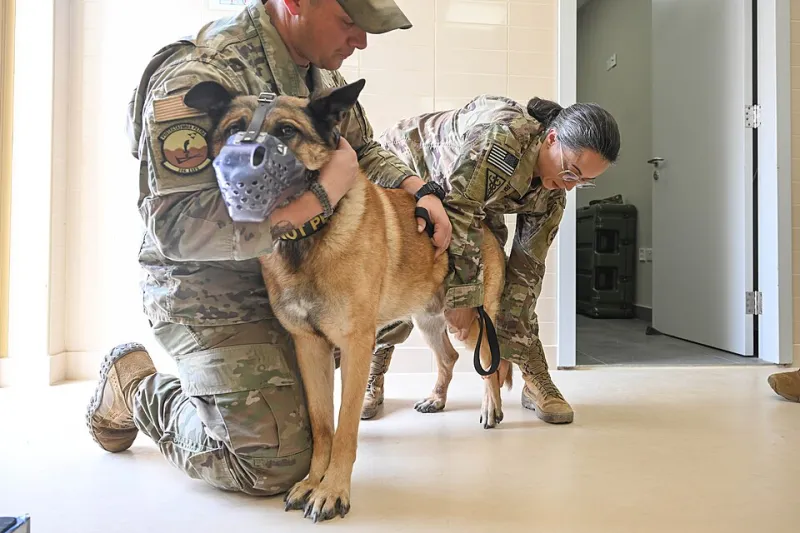
Photo: U.S. Air Force photo by Senior Airman Julian Atkins, Public domain, via Wikimedia Commons
For many Australian families relocating to New Zealand, the pet is not luggage. It is a member of the household, and the thought of leaving it behind can influence the timing of the entire move. That emotional weight makes it easy to book a flight or a pet transport agent too early. New Zealand's biosecurity system rewards sequencing. The permit, the veterinary work and the border clearance must line up in the right order.
As of 2026, cats and dogs entering New Zealand are managed under Ministry for Primary Industries import health standards and permit conditions. Australia is a relatively low-risk source country for some diseases, but that does not mean the process is automatic. The paperwork still has to be exact, and the animal still has to clear biosecurity on arrival.
This guide focuses on cats and dogs. Birds, rabbits and other species fall under different rules and should be researched separately.
Start with the permit, not the flight
The most common mistake is booking travel before confirming import eligibility and permit conditions. The import permit is the controlling document. It tells you what treatments are required, what certifications your veterinarian must complete and what timing applies. Without it, a later vet visit may be wasted.
Apply for the permit as early as practical. Processing times vary, and the permit may have an expiry window. Do not assume that a permit issued months ago remains valid if your travel dates move. Check the conditions line by line and ask the issuing authority or an experienced pet transport agent to explain anything unclear.
The realistic timeline
Twelve to sixteen weeks before travel: eligibility and permit
Confirm that your cat or dog is eligible for import. Check breed restrictions, age requirements and any condition that could affect clearance. Gather microchip details, vaccination records and veterinary history. Apply for the New Zealand import permit and read the conditions before paying for flights.
Eight to twelve weeks before travel: microchip, vaccinations and parasite plan
Your veterinarian should map the permit requirements against your pet's records. Microchip identity must be consistent across every document. Vaccinations must be current and documented in the required format. Parasite treatments must be given within the specified windows, not simply at some convenient point before travel.
This is where Australian owners often discover a gap. A vaccination that seemed current may not meet New Zealand's timing rules. A parasite treatment may need to be repeated or recorded differently. Fixing these issues early is far cheaper than fixing them at the airport.
Four to six weeks before travel: flights and approved route
Book with an airline or pet transport service that understands New Zealand import requirements. Confirm the crate size, ventilation, labelling and health certificate timing. Check which New Zealand port of entry can handle your animal and whether a transitional facility booking is needed. Keep copies of every booking confirmation.
Ten days before travel: final veterinary certification
The final veterinary certificate is not a formality. It must match the permit, the microchip and the treatment records. Dates must be correct. Names must match. Any alteration should be made properly and not look like an afterthought. Ask your vet to review the entire pack before signing.
Arrival: biosecurity clearance
On arrival, the animal is subject to biosecurity clearance. An officer may inspect the crate, documents and animal. If the paperwork is complete and the treatments are compliant, clearance can be straightforward. If something is missing, the animal may be detained, treated, re-exported or held at the owner's expense. Quarantine is not automatic for every Australian pet, but a border hold can feel like one when it happens.
The forms that cause meltdowns
The highest-risk documents are the ones with dates and identities. A microchip number that differs by one digit can stop the process. A vaccination recorded without the correct product name or date can trigger questions. A treatment given outside the required window may need to be repeated, which can delay travel. A health certificate signed too early or too late may no longer be valid.
Keep a single folder, digital and physical, with the permit, microchip certificate, vaccination history, parasite treatment records, vet certificate, flight booking and contact details. Give a copy to the person handling the pet in Australia and keep another with you.
Budget for more than the flight
The total cost is not just the airline fee. It includes the import permit, veterinary consultations, vaccinations, parasite treatments, crate purchase or hire, export documentation, transport to the airport, freight, biosecurity inspection and possible agent fees. Add a contingency for delays, storage or repeat treatments.
Pet insurance may not cover every import-related cost, so read the policy before relying on it. If you are using a transport company, confirm what happens if a flight is cancelled or a document is rejected. The cheapest quote is not always the safest if it leaves you responsible for border problems.
A calm pre-departure routine
- Read the import permit before booking anything.
- Confirm microchip, vaccination and treatment dates with your vet in writing.
- Use a vet experienced with New Zealand export certificates.
- Check the final certificate against the permit line by line.
- Arrive early at the Australian departure point and keep documents accessible.
- Have a New Zealand contact who can help if the animal is delayed.
Moving an Australian cat or dog to New Zealand is manageable when the paperwork leads and the travel follows. The families who avoid a biosecurity meltdown are usually the ones who treated the process as a schedule rather than a last-minute errand. For a relocation tied to a New Zealand visa, that discipline is worth applying to every member of the household, including the four-legged ones.