The Ute Is Packed, but the Paperwork Isn't: A 2026 Cost Reality Check for Importing an Australian Vehicle into New Zealand
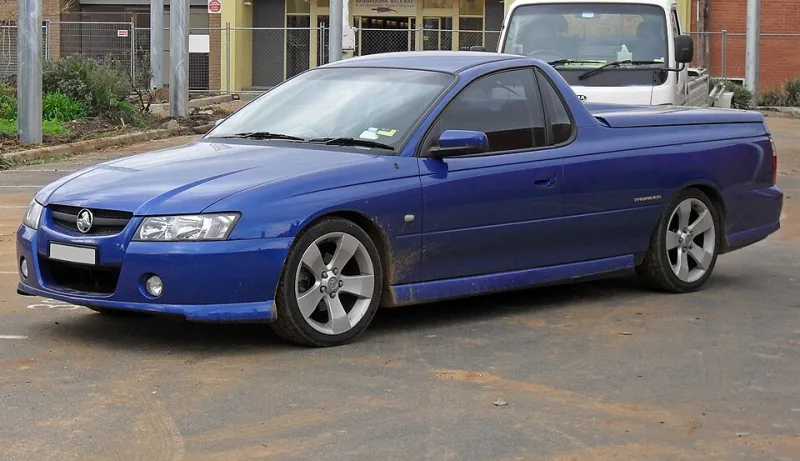
Photo: Bidgee, CC BY-SA 3.0, via Wikimedia Commons
Bringing an Australian ute, car or caravan to New Zealand can look deceptively simple on a shipping quote. The vehicle is familiar, the crossing is short and the two countries share road rules closely enough that many movers assume the hard part is booking the freight. As of 2026, the process is better understood as a chain of border, tax, safety and biosecurity checks. Each link has a cost, and several are only confirmed after the vehicle has already left Australia.
For anyone relocating on a New Zealand visa, the vehicle often becomes part of the emotional case for the move. It is the ute that has done the family trips, the caravan that represents weekends away, or the car that seems too good to sell. NZ Visa Online's view is practical rather than sentimental: decide whether the vehicle is genuinely worth importing before you pay a deposit to a shipping agent.
The quote is not the cost
A typical shipping quote covers movement between ports, not arrival in New Zealand. It may exclude customs brokerage, GST, biosecurity inspection, port storage, entry certification, compliance repairs, towing, registration and compliance. For a container shipment, unpacking and devanning can add further charges. For roll-on/roll-off shipping, the vehicle must be driveable and collection delays can trigger storage fees.
The first budget rule is to ask for a landed-cost estimate, not a freight estimate. The second is to leave a contingency for repairs. Used vehicles from Australia often need work to satisfy New Zealand entry requirements, and the cost of that work is difficult to predict from Australia.
Stage one: check the vehicle before it leaves Australia
Before shipping, confirm the vehicle's identity, odometer history, rust condition and modification status. New Zealand entry certification is not a light inspection, and a vehicle that has spent years near the coast, on beaches or in damp conditions may show structural rust that was easy to overlook in Australia.
Obtain a pre-export inspection from someone familiar with New Zealand entry requirements if possible. Gather the Australian registration history, service records and any modification certificates. If the vehicle has been repaired after a write-off, declare it honestly and expect closer scrutiny. A cheap Australian vehicle can become an expensive New Zealand project if the paperwork is thin.
Stage two: shipping, customs and GST
When the vehicle arrives, it must be entered into New Zealand's customs system. GST is generally charged at 15 per cent on the customs value, which usually includes the vehicle price plus international freight and insurance. Duty may be zero for some Australian-origin goods where the applicable preference is claimed, but that is not a reason to ignore GST. Import entry fees and brokerage also apply.
Do not rely on a verbal assurance that the vehicle is duty-free. Ask the broker to show the basis for the calculation. If the vehicle is a caravan, check whether gas, electrical and plumbing systems affect the clearance process. Caravans can attract their own compliance questions and repair costs.
Stage three: biosecurity inspection
New Zealand's biosecurity rules are strict because the country is geographically isolated and economically dependent on primary industries. A vehicle that looks clean in Australia can still carry soil, seeds, insects or other risk material in wheel arches, underbody trays, carpets or caravan storage areas.
A biosecurity inspection may lead to cleaning, treatment or storage at the importer's expense. Steam cleaning before shipping can reduce the risk, but it does not guarantee a clean pass. Keep receipts and photographs. If the vehicle is held, port storage charges can accumulate quickly.
Stage four: entry certification
Entry certification is the New Zealand process that confirms an imported vehicle meets applicable safety, emissions and identity requirements. It is carried out by an NZTA-approved entry certifier and is separate from a normal warrant of fitness. The inspection can cover VIN and chassis identity, odometer verification, structural condition, rust, brakes, tyres, lighting, seatbelts, emissions and frontal impact requirements where they apply.
This is where many budget blowouts occur. A vehicle may need new tyres, brake work, rust repair, lighting changes or other compliance work before it can be registered. Some modifications that were acceptable in Australia may need engineering evidence in New Zealand. Caravans and motorhomes may face additional checks for electrical and gas systems.
Stage five: registration and on-road costs
Once entry certification is complete, the vehicle can be registered for use in New Zealand. Registration, plates, licensing and any applicable levies add to the total. Insurance is a separate cost and should be arranged before the vehicle is driven on public roads. If the vehicle is not roadworthy immediately, you will also need secure storage or transport.
The blowouts that catch movers out
The most common surprises are not mysterious. They are GST that was never included in the shipping quote, compliance repairs found only at entry certification, biosecurity cleaning and storage, port charges caused by late collection, and the cost of towing a non-compliant vehicle to a repairer. Less obvious is the cost of delay: rental cars, temporary transport and missed work can outweigh a modest repair bill.
A vehicle that is rare, sentimental or structurally sound may still be worth importing. A high-kilometre ute with rust, modified suspension and an unclear history usually is not. The decision should be made on landed cost and compliance risk, not on the price paid in Australia.
A practical pre-shipping checklist
- Obtain a written landed-cost estimate that includes GST, customs fees, biosecurity, entry certification and registration.
- Inspect for rust, underbody damage, odometer discrepancies and modifications.
- Confirm that the vehicle can meet New Zealand frontal impact and emissions requirements where applicable.
- Clean the vehicle thoroughly and photograph the underbody before shipping.
- Budget a repair contingency of at least several thousand dollars for a used vehicle.
- Arrange insurance from the moment the vehicle leaves your possession.
- Keep all invoices, identity documents and shipping records in one file.
Importing an Australian vehicle to New Zealand is not impossible, but it is not a casual add-on to a visa move. Treat the exercise as a compliance project with a budget, a timeline and an exit plan. If the numbers stop making sense before shipping, selling in Australia is often the cheaper form of nostalgia.